Critical Techniques for Inexpensive Automobile Maintenance: Decrease Hours and Expenses
Discovering reasonably priced auto repair can be a tough task for many automobile owners. With different alternatives on offer, it is vital to approach the workflow deliberately. By examining community repair technicians and understanding vehicle maintenance needs, folks can steer clear of excess costs. There are also ways to handle minor issues on their own. However, the undertaking doesn't end there; exploring further budget-reducing approaches can lead to even greater savings. What strategies might be worth considering next?
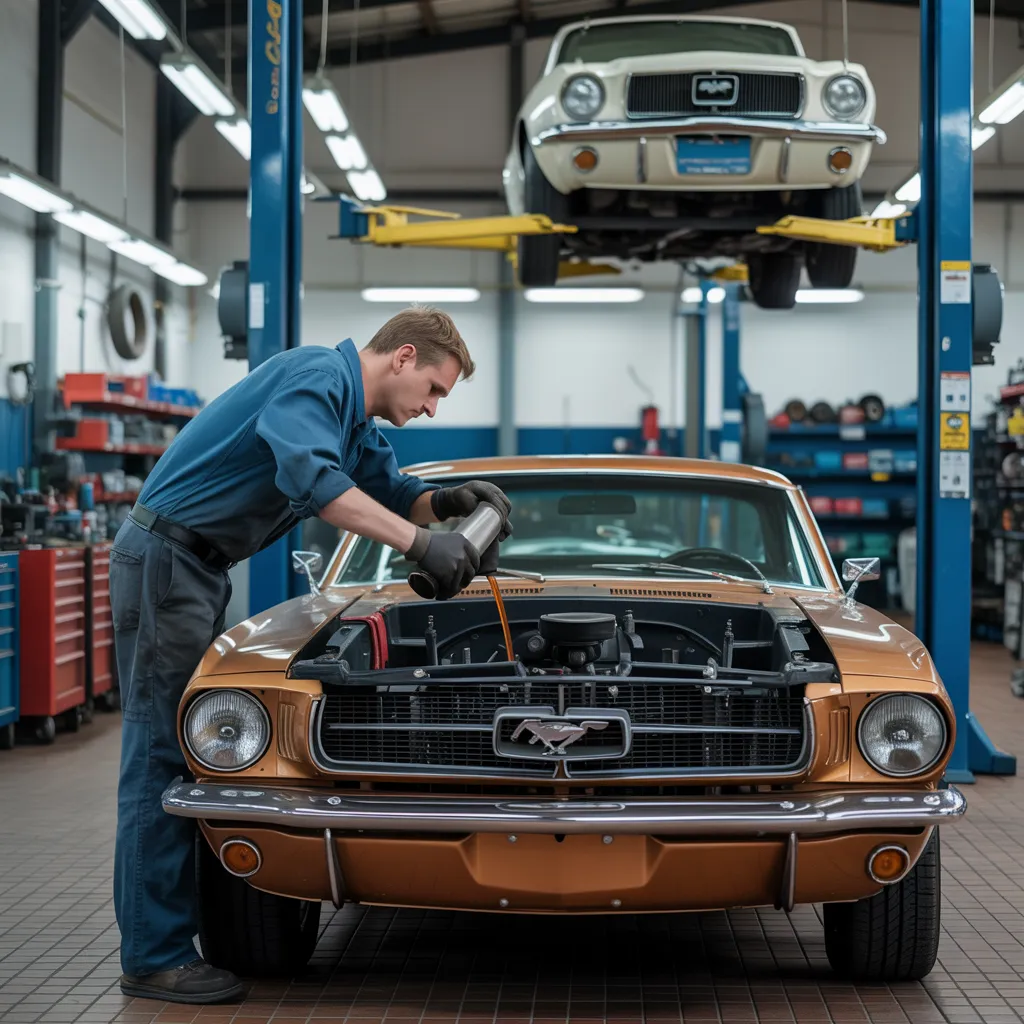
Research and Match Up Local Mechanics
When seeking affordable auto repair, it is vital to analyze and contrast local mechanics to guarantee the best value for service. A thorough analysis involves reviewing online reviews, ratings, and testimonials to determine the quality of service provided. Consumers should also inquire about the certifications and experience of the mechanics, as practical advice this can greatly influence the reliability of repairs.
In addition, requesting quotes from multiple locations supplies clarity into the going fees for targeted services. This comparison serves to uncover any remarkably inflated or suspiciously low prices. Moreover, meeting with mechanics in person allows a better evaluation of their professionalism and client relations, which are critical criteria in establishing trust.
In the end, meticulous study and evaluation empower vehicle owners to reach sound conclusions, making sure they select a mechanic who delivers both quality repairs and competitive rates, consequently cutting costs in the long run.
Discover your automobile's upkeep requirements
How can car owners ensure their vehicles remain in peak condition? Comprehending a car's maintenance needs is essential. Each vehicle comes with a manufacturer's maintenance schedule, outlining when particular maintenance should be completed. This schedule typically includes oil changes, tire rotations, brake inspections, and fluid replacements. Following these recommendations helps prevent costly repairs down the line.
Additionally, owners should be cognizant of warning signs indicating potential issues, such as unusual noises or dashboard alerts. Frequently inspecting fluid levels, tire pressure, and the state of belts and hoses can also extend a car's lifespan.
Use do-it-yourself repairs for small issues
Recognizing a vehicle's service requirements sets the foundation for effective vehicle maintenance, although many minor issues can be resolved through do-it-yourself repairs. For example, tasks including replacing wiper blades, replacing air filters, or topping off fluids can be easily managed by car owners. DIY repairs not only save money on labor expenses but also enable people to develop a better comprehension of their vehicles.
Web-based materials, featuring tutorial videos and forums, provide valuable guidance for those unfamiliar with car maintenance. Basic tools, such as wrenches, screwdrivers, and pliers, are often sufficient for these straightforward repairs. Additionally, maintaining regular upkeep of minor issues can stop them from progressing into more substantial problems, ultimately extending the vehicle's lifespan. By implementing a DIY approach, car owners can effectively handle their maintenance needs while minimizing expenses and improving their overall automotive knowledge.
Find Bargains and Promotions
What methods can car owners apply to lower expenses on maintenance expenses? One efficient method is to diligently search for special offers and deals provided by auto repair shops. Many companies offer periodic promotions, loyalty programs, or referral incentives that can significantly lower repair expenses. Car owners should also subscribe to email updates or track social media accounts of local repair shops, as these often display exclusive deals.
In addition, employing online coupon sites can pinpoint limited-time offers that can be utilized to repairs. Car owners may find that some manufacturers or parts suppliers offer rebates on select services, which can further contribute in cutting costs. By committing the time to examine and remain vigilance about available promotions, car owners can conserve money while preserving their vehicles stay in good condition. Overall, being proactive in pursuing discounts can lead to substantial savings on necessary auto repairs.
Maintain a Thorough Care Record
Keeping a detailed record of vehicle maintenance is vital for car owners looking to lower service expenses. By documenting every service and repair, owners can track the vehicle's history, recognizing tendencies that may indicate underlying issues. This record functions as a important resource for mechanics, permitting them to reach sound conclusions about required upkeep and service intervals.
Routine documentation including oil service, tire rotations, and brake inspections help ensure that the car stays in top shape. Additionally, maintaining a log can support in warranty claim processing, as it demonstrates adherence to the manufacturer's recommended service intervals.
Furthermore, a detailed log can supply leverage when haggling over repair prices, as it exhibits proactive maintenance efforts. Ultimately, keeping a systematic service log not only enhances your car's lifespan but also empowers drivers to make smarter financial decisions regarding their auto repair needs.
Popular Queries Posed Often
What Strategies Should I Take to Find a Credible Mechanic?
To find a dependable technician, one should seek recommendations, check ratings, review certifications, and examine shop appearance. Participating in honest conversations about fees and mechanical work also promotes openness and builds trust in the technician's offerings.
What Are Regular Red Flags My Car Needs Fixes?
Common indicators a vehicle requires repairs include strange sounds, warning lights on the dashboard, poor performance, fluid leaks, and changes in handling or braking. Addressing these issues promptly can prevent further damage and higher repair costs.
Is it Better to Choose Original Parts or Aftermarket Parts?
Using manufacturer parts guarantees compatibility and reliability, while aftermarket parts may offer economical benefits. The decision is influenced by personal preference, available funds, and the particular job, weighing long-term value against immediate expenses for greatest outcomes.
What Should I Do to Manage Disputes With a Service Provider?
To address conflicts with a service center, one should document all interactions, gather documentation, and clearly communicate worries. If necessary, bringing the problem to management or seeking dispute resolution can help address disagreements efficiently.
What Constitutes the Average Cost of Common Fixes?
The average cost of common auto repairs varies considerably. For instance, brake pad changes typically ranges from $150 to $300, while engine diagnostics may cost between $100 and $200, depending on the vehicle and location.